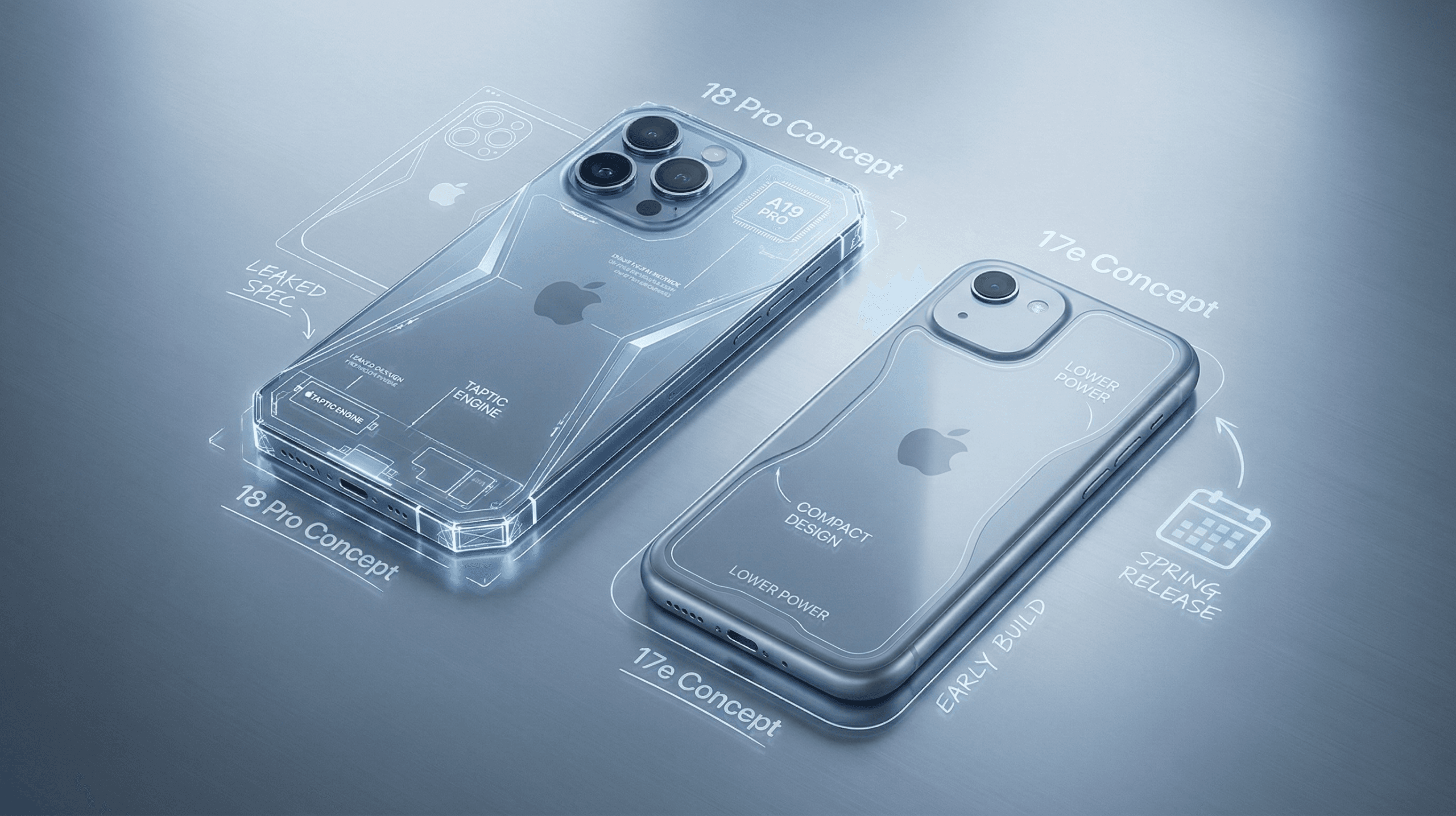
New leaks suggest the iPhone 18 Pro may introduce major design and feature changes ahead of the iPhone 17e’s spring debut.
What if next year’s iPhone looked and felt different in your hand and in your pocket, not through radical changes, but with the kind of careful tweaks that almost make you do a double-take?
That’s the question Apple watchers are pondering as early iPhone 18 Pro leaks surface, even before the iPhone 17e makes its anticipated spring debut.
The rapid appearance of new details and design notes puts Apple’s fresh lineup in sharper relief, offering a rare glimpse at how the world’s most influential smartphone continues to evolve in response to both industry forces and everyday habits.
What’s Actually Changing?
This generation’s iPhone 18 Pro leaks paint a picture of a subtle but meaningful transformation. There are expectations for a smaller version of the “Dynamic Island”, the black cutout atop the display that houses the front camera and Face ID system.
Since its introduction, some have found it more noticeable than the notch it replaced, especially when streaming video or gaming. A reduction in size could make the interface feel less intrusive for daily use, a refinement rather than a revolution.
Behind the screen, Apple is readying an under-display Face ID system. That means unlocking with your face could become invisible to the eye, removing yet another trace of hardware for a cleaner look. Selfie quality is set to jump as well, thanks to a rumored 24-megapixel front camera upgrade.
At the back, leaks suggest a translucent or color-matched glass that blends more seamlessly with the aluminum frame. The tactile difference may be subtle, but visually, it could mark another step toward the “disappearing device”, where what you see is almost pure display and surface, without obvious boundaries.
Notably, the Pro Max may get thicker to house a bigger battery, signaling a move to longer life without sacrificing the device’s sense of luxury or ergonomics.
Why These Changes Matter
Apple rarely chases trends for their own sake; instead, it fine-tunes with intent. Making the Dynamic Island smaller isn’t just a cosmetic tweak; it acknowledges real feedback from users who stream, scroll, and connect in ways the phone’s providers constantly monitor.
Under-display Face ID is more than a party trick: It’s about freeing up space to let apps and content take center stage, bringing the iPhone’s physical and digital experiences ever closer together.
Even the rumored changes in rear-panel construction and color-matching suggest that aesthetics and durability are being tuned for people who use their devices without a case, or who simply appreciate coherent design language.
All this previews the next wave of smartphone evolution: not giant leaps, but increasingly invisible improvements that make your phone fade gently into the background when you want it to.
Leaks about a variable aperture camera lens hint at Apple’s continued push to attract content creators and everyday photographers, lowering the barrier between a pocket phone and a pro-level tool.
The iPhone 17e: A Spring Disruptor
While flagship rumors command headlines, the iPhone 17e is shaping up to play a different, disruptive role when it arrives in spring 2026.
Positioned as a more affordable entry, the 17e trades the bleeding edge for access and reliability, potentially featuring the latest A19 chip and an improved camera, but sticking with the familiar Super Retina XDR OLED panel and a single rear camera.
For those on older iPhones, or anyone put off by rising flagship prices, the 17e underscores Apple’s intent to make its ecosystem more accessible, using annual cycles and purposeful launches to keep attention and demand steady through the year.
Stakes, Risks, and the Bigger Picture
With each leak, the stakes aren’t just about aesthetics or specs; they reflect Apple’s attempts to read shifts in customer priorities and global pressures. A physically lighter, tougher, or more seamless phone fits a world that is turning less tolerant of compromises in battery, camera, or interface clarity.
The addition of under-display sensor technology and new glass techniques will challenge Apple’s supply chain and manufacturing partners, pushing for tight tolerances and reliable mass production.
Meanwhile, the iPhone 17e’s annual cadence shows Apple responding to the realities of a maturing smartphone market and global economic headwinds. By offering a new entry-point model every year, Apple can maintain buzz and momentum, even as the leaps between generations seem, on the surface, subtler.
The Takeaway
Early iPhone 18 Pro leaks, paired with new details on the iPhone 17e, show Apple’s relentless push to refine, not just reinvent.
The changes, shrinking a notch, hiding a sensor, and smoothing out design seams, might sound minor until you consider how cumulative small choices have transformed the way we interact with technology since the first iPhone.
The endgame isn’t just a better phone; it’s a device that’s easier to forget, even as it works harder than ever for its users. When technology becomes nearly invisible, that’s when it truly begins to feel like progress.
About the Author