


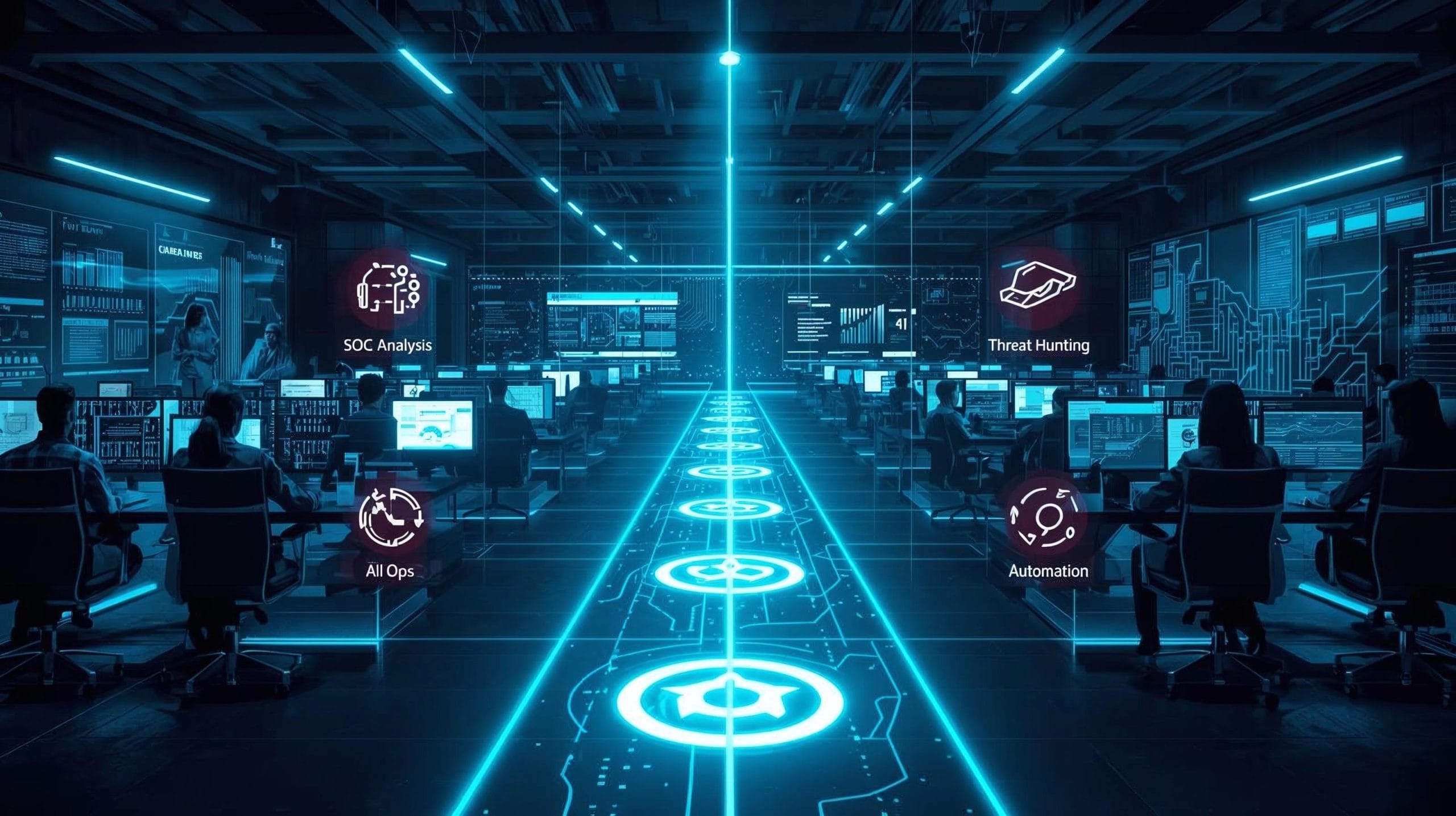
AI is reshaping cybersecurity roles and redefining how the next generation of security talent will evolve.
Picture a recent cybersecurity graduate, eager to land a first role as a security analyst. For years, this was the gateway to learning the ropes: monitoring alerts, triaging incidents, and investigating digital threats.
Today, that frontline landscape looks very different, and the difference is spelled A-I. The phrase “AI reshaping entry-level cybersecurity” emerges not just as a headline, but as a question: If automation can handle the grunt work, what is left for aspiring security defenders to actually do?
Why This Matters Now
Over half of cybersecurity professionals expect AI to reduce the need for entry-level staff, according to a recent survey by ISC2. This shift isn’t just about efficiency. It prompts an urgent question for the industry: How will tomorrow’s experts gain the sort of hands-on experience once delivered by routine alerting and investigation?
The real stakes are the talent pipeline and the future readiness of digital defense teams.
Breaking Down the New Reality
AI automation has taken over many tasks historically assigned to beginners. Machine learning systems excel at filtering alerts, detecting anomalies, and even blocking suspicious behaviors in real time.
Entry-level roles, especially within security operations centers (SOCs), have become less about sifting through daily noise and more about interpreting what the machines find.
It is something like replacing the apprentice baker with a bread machine. The finished product might be more consistent, but where does that leave the next generation who want to know how to knead dough and spot when the recipe goes off track?
Investigative Insight: Skill Gaps, New Gateways, and Risks
As the repetitive elements of entry-level cyber work are automated, security leaders must rethink professional development. The apprenticeship model, learning by doing, gets disrupted when software handles the “doing.”
Some firms, facing mounting alert volumes and talent shortages, now turn to AI-powered “learn and earn” platforms, virtual apprenticeships, and curated training to bridge these gaps. The aim is to ensure learners still gain authentic, job-ready skills, even if the traditional path is shrinking.
There are positives: AI boosts analyst productivity by processing up to 22 times more data, and organizations cut response times in half when automation supplements detection and orchestration. But there are risks as well.
Over-reliance on technology may breed blind spots, and new grads without hands-on incident response could lack the judgment needed for tomorrow’s complex threats.
Industry data underscore this transition. While Gartner estimates that, by 2028, AI-driven automation could halve the volume of manual analyst work, it does not mean jobs will disappear.
Instead, entry-level roles become hybrid, combining technical interpretation, process optimization, and increasingly, collaboration with AI systems.
The Human Factor and Future Pathways
The pipeline challenge goes beyond skills. It touches ethics, diversity, and trust. If novice analysts lose foundational experiences, who gets to lead innovation, design protocols, or shape security culture?
Many experts argue for blended learning models, including mentorship, lab simulations, and real-world team projects that supplement automation.
Demand is rising for professionals who not only understand technical tools but can ask smart questions, tune AI models, and manage evolving risks.
Perspective: The “So What” for Cybersecurity Careers
Ultimately, “AI reshaping entry-level cybersecurity” shifts the emphasis from repetitive technical labor to strategic, critical thinking. Tomorrow’s practitioners must become interpreters, innovators, project leads, and trusted collaborators with intelligent systems.
The industry must respond by creating dynamic development pathways that mirror this new reality; ensuring the talent pipeline stays strong, diverse, and ready for the deep challenges ahead.
For every reader, whether a hiring manager, student, or veteran analyst, the takeaway is clear: AI is not closing the door to cybersecurity careers; it is transforming the front steps.
This moment asks everyone in the field to reimagine learning, trust, and human contribution, so the next generation of defenders can thrive alongside their digital teammates.
About the Author

