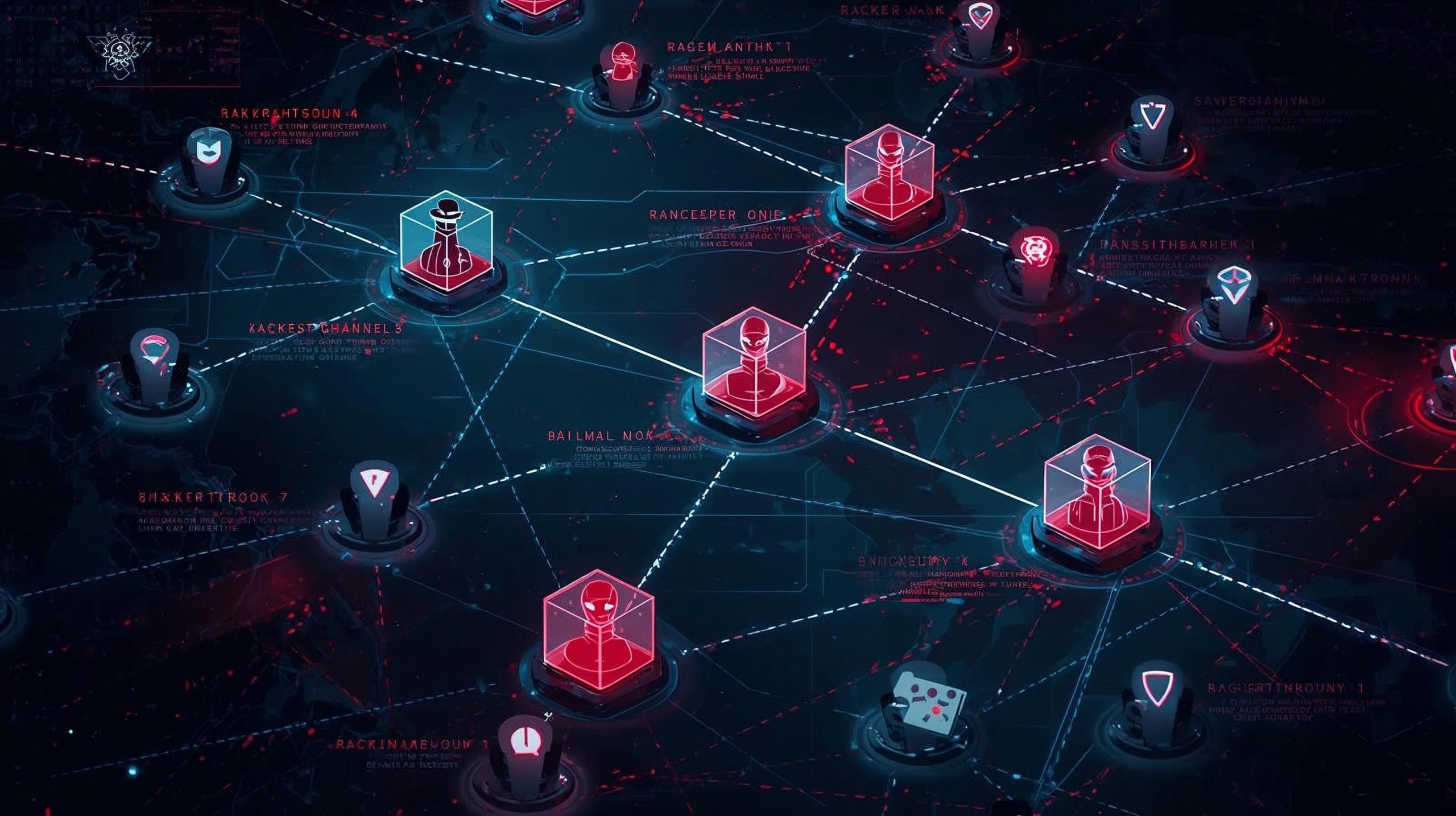
Ransomware groups are joining forces, creating powerful alliances that are redefining the rules of cybercrime.
We often picture the archetypal hacker as a solitary figure in a dark hoodie, typing furiously in a basement to breach a firewall. That image is outdated.
Today, the adversary is not a person but an organization. A recent surge in digital attacks is being driven by a significant structural shift in the underworld: the formation of ransomware alliances. These are not random collaborations. They are sophisticated business partnerships that mirror legitimate corporate supply chains.
The rise of these alliances explains why attacks are becoming more frequent and harder to stop. Understanding this shift is vital for anyone trying to navigate the modern digital landscape.
The Industrialization of Malware
To understand why ransomware alliances are so effective, we must look at how they operate. In the past, a cybercriminal had to be a jack-of-all-trades. They had to write the code, find the target, execute the breach, encrypt the files, and handle the negotiation. That is a lot of work for one person.
Now, the industry has pivoted to a model known as Ransomware-as-a-Service (RaaS). This model splits the labor into specialized roles.
- The Developers: These groups create the malicious software. They are the engineers who maintain the digital weapons.
- The Affiliates: These are the “boots on the ground” hackers who use the software to break into networks.
- The Initial Access Brokers (IABs): These individuals do nothing but find open doors. They steal credentials or find vulnerabilities and sell that access to the affiliates.
This division of labor creates a highly efficient ecosystem. It lowers the barrier to entry. An affiliate does not need to know how to code complex malware; they just need to know how to use the tools provided by the ransomware alliances they join.
Why Collaboration Increases the Threat
The danger of these partnerships lies in their efficiency. When criminal groups share resources, the scale of their impact grows exponentially.
Consider the concept of “double extortion.” In a traditional attack, criminals encrypt data and demand a fee to unlock it. Now, because of shared infrastructure within ransomware alliances, they also steal the data before locking it. If the victim refuses to pay for the decryption key, the criminals threaten to leak sensitive information online.
This strategy requires massive storage capabilities and leak sites, infrastructure that is easier to maintain when groups pool their resources. Furthermore, these groups are now sharing intelligence. If one group discovers a vulnerability in a popular piece of software, that knowledge spreads rapidly across the network of ransomware alliances, allowing multiple groups to strike different targets simultaneously.
The Human Element and Future Outlook
It is easy to get lost in the technical details, but the impact is profoundly human. These attacks shut down hospitals, delay supply chains, and compromise personal data. The victims are not just faceless corporations; they are patients waiting for surgery and small business owners unable to make payroll.
What happens next? Security experts and law enforcement are adapting. The strategy is shifting from just patching software to disrupting the business model of these cartels. This involves sanctioned payments, seizing cryptocurrency wallets, and international task forces aimed at dismantling the infrastructure these ransomware alliances rely on.
The Takeaway
The era of the lone wolf hacker is largely over. We are now facing a mature, interconnected economy of cybercrime.
Recognizing that we are up against organized ransomware alliances rather than isolated individuals changes how we approach defense. It is no longer just about better firewalls; it is about resilience, intelligence sharing, and understanding the business logic of the adversary.
When we understand how they work together, we can better protect the systems that keep our world running.
About the Author